
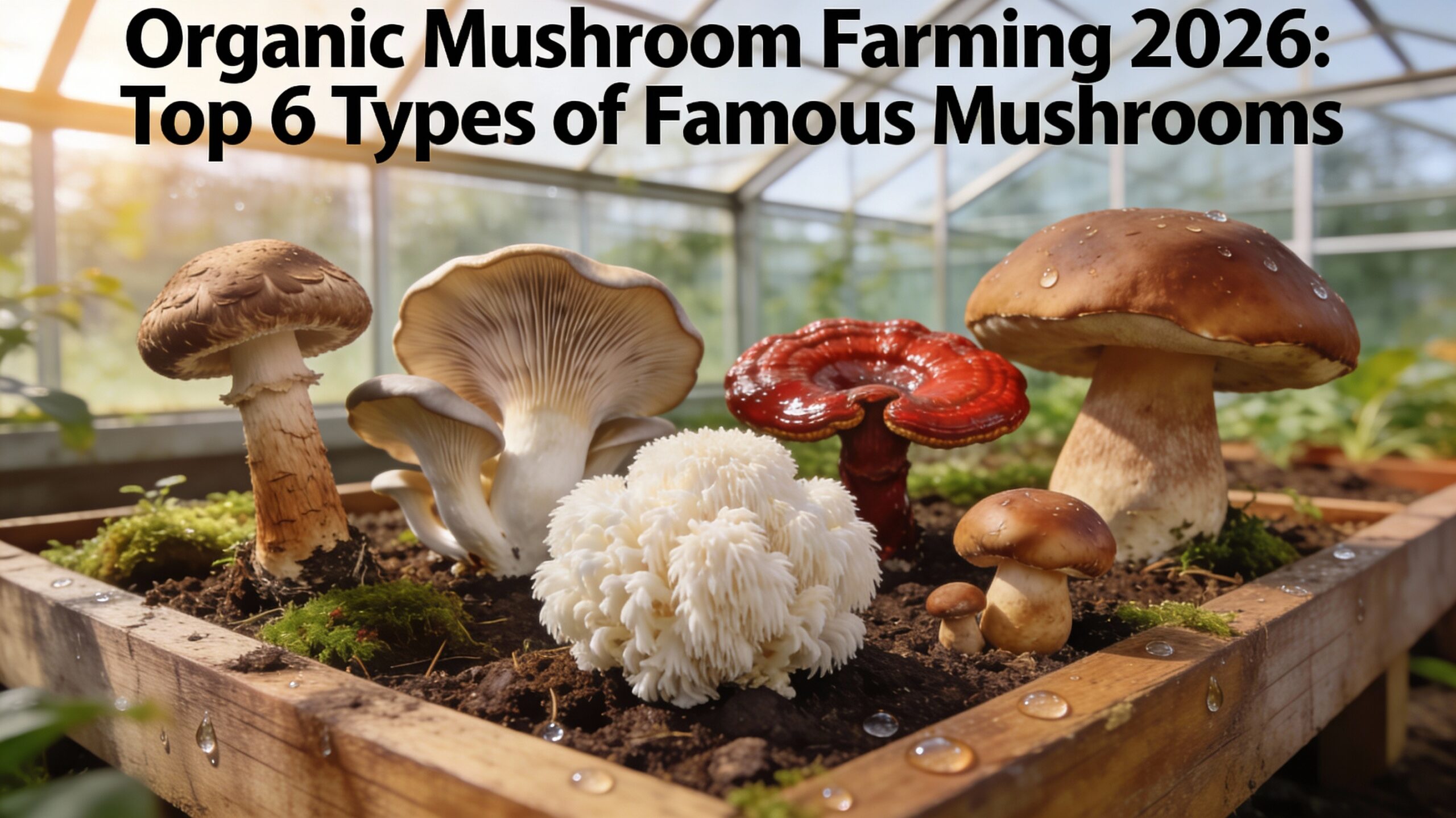
Organic Mushroom Farming 2026 is more than just a title—it’s a roadmap for anyone who wants to explore sustainable agriculture, healthy living, and profitable farming. Mushrooms have been part of human diets for centuries, but in recent years, they’ve gained recognition as a superfood and a sustainable crop. This guide will walk you through the essentials of mushroom farming, highlight the benefits of eating mushrooms, and introduce you to the most popular types of mushrooms you can grow organically.
Table of Contents
The Importance of Mushrooms for Health and Farming in 2026
The world is shifting toward organic and eco-friendly farming practices. Mushrooms fit perfectly into this trend because: Mushrooms in 2026: A Superfood for Wellness and Profitability
- They require minimal land compared to traditional crops.
- They grow quickly, often within a week.
- They recycle agricultural waste like straw, sawdust, and coffee grounds.
- They are nutrient-rich and support human health.
The Organic Mushroom Farming Guide for 2026 emphasizes that mushrooms are not only profitable but also environmentally responsible.
🍄 Benefits of Eating Mushrooms
Mushrooms are often called “nature’s hidden treasure” because they pack a nutritional punch without adding excess calories. Here are some key benefits:
- Rich in Nutrients: Mushrooms are a good source of B vitamins, selenium, potassium, and copper.
- Boost Immunity: Certain mushrooms like shiitake and maitake contain beta-glucans that strengthen the immune system.
- Support Heart Health: Mushrooms are cholesterol-free and can help lower blood pressure.
- Aid Weight Management: Low in calories but high in fiber, mushrooms keep you full longer.
- Antioxidant Power: They contain ergothioneine and glutathione, compounds that fight oxidative stress.
- Plant-Based Protein: Mushrooms are a great addition to vegetarian and vegan diets.
The Organic Mushroom Farming Guide for 2026 highlights that eating mushrooms regularly can improve overall wellness while supporting sustainable food systems.
🌍 Types of Mushrooms You Can Grow
There are hundreds of edible mushroom varieties, but here are the most popular ones for organic farming:
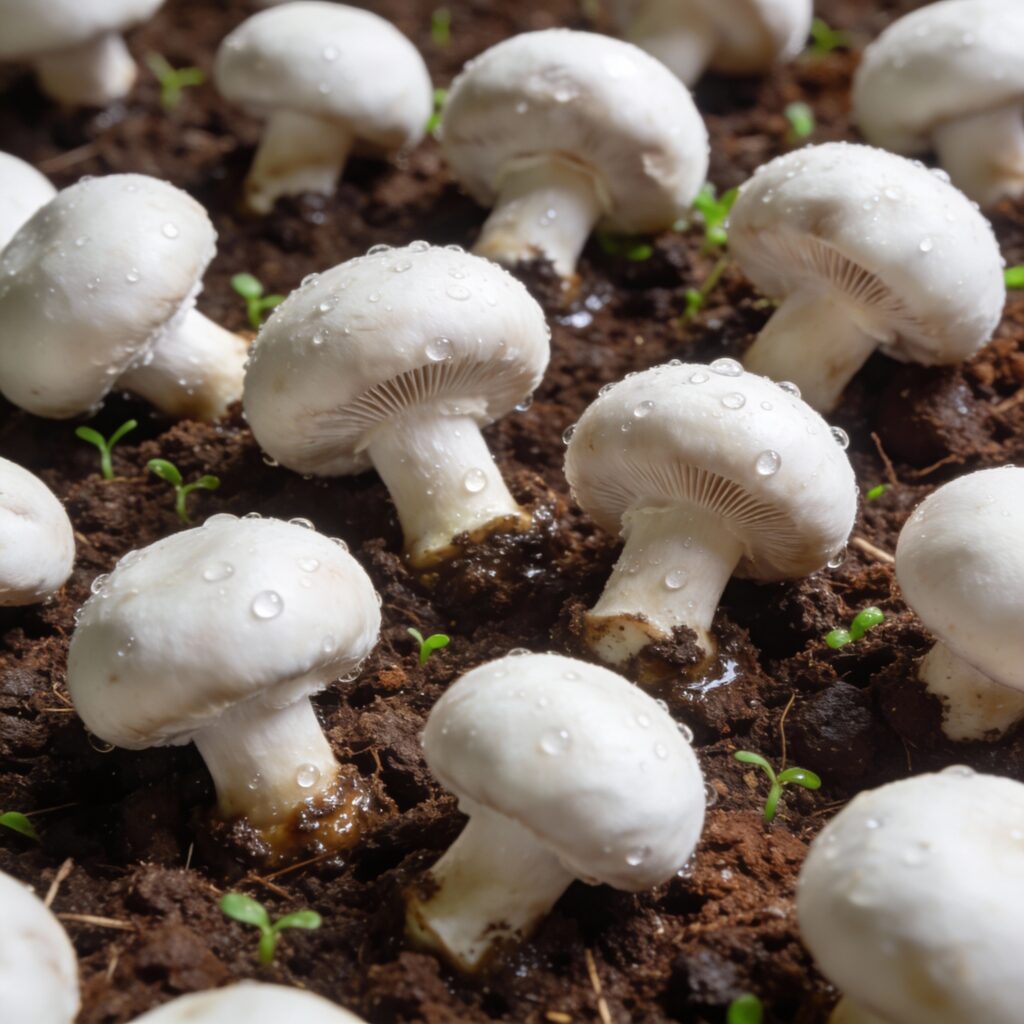
# Button Mushrooms (Agaricus bisporus)
# Oyster Mushrooms (Pleurotus ostreatus)
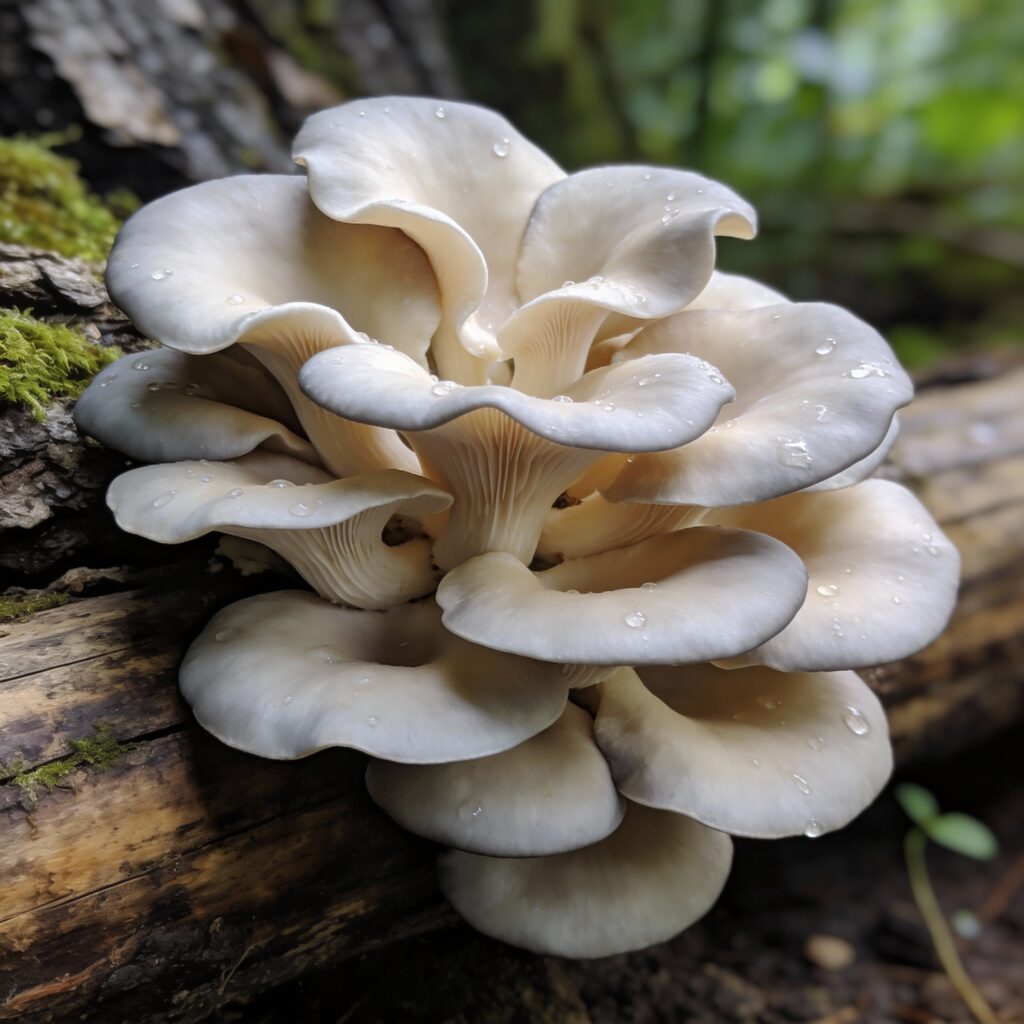
Oyster mushrooms (Pleurotus ostreatus) are fast-growing, highly versatile fungi with a delicate texture and mild flavor. They thrive on agricultural waste, making them eco-friendly, nutritious, and profitable for organic farming
# Shiitake Mushrooms (Lentinula edodes)
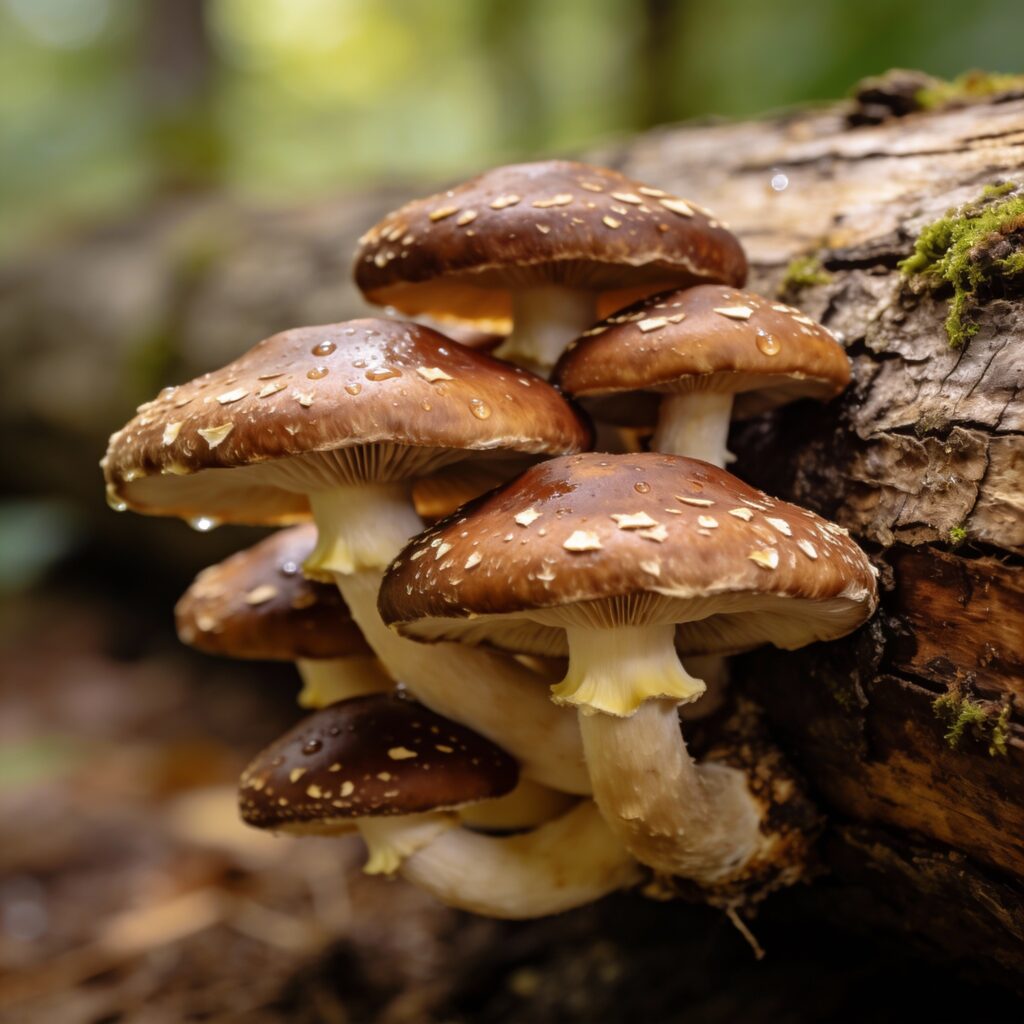
Shiitake mushrooms (Lentinula edodes) are prized for their rich, earthy flavor and powerful medicinal properties. They support immunity and heart health and are highly valued in organic farming and gourmet cuisine.
# Lion’s Mane Mushrooms (Hericium erinaceus)
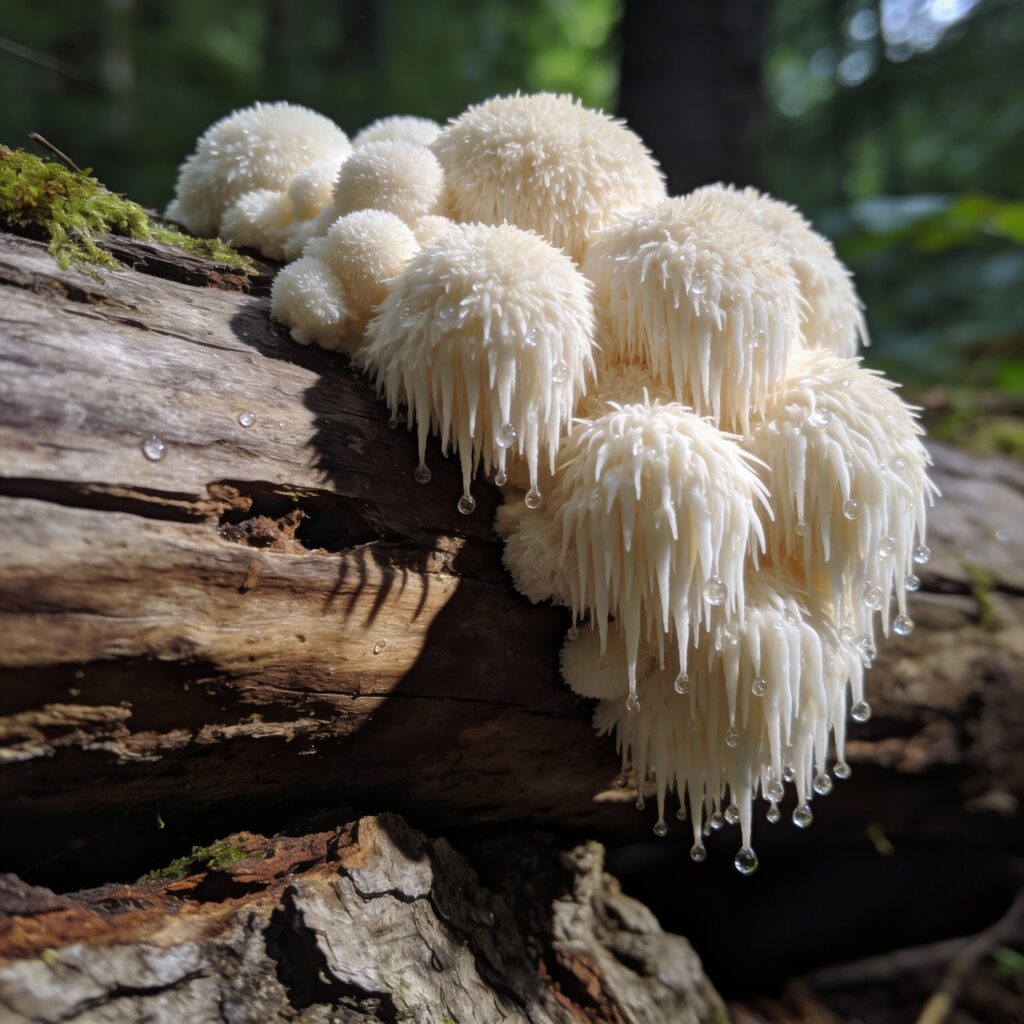
Lion’s Mane Mushrooms (Hericium erinaceus) are unique, resembling cascading white icicles. Known for supporting brain health and memory, they offer a mild seafood-like flavor and thrive well in organic farming systems
# Maitake Mushrooms (Grifola frondosa)
Maitake Mushrooms (Grifola frondosa), also called “Hen of the Woods,” grow in clustered, feathery shapes. They are prized for their immune-boosting properties, rich flavor, and strong demand in organic farming markets.
# Reishi Mushrooms (Ganoderma lucidum)
Reishi mushrooms (Ganoderma lucidum), often called the “mushroom of immortality,” are renowned for their medicinal value. They support immunity, reduce stress, and thrive well in sustainable organic farming practices.
The Organic Mushroom Farming Guide for 2026 encourages farmers to diversify their crops by growing multiple varieties to meet different consumers’ needs.
🛠 Steps to Start Organic Mushroom Farming
Starting mushroom farming doesn’t require vast land or heavy machinery. Here’s a simplified roadmap.
1. Choose Your Mushroom Variety
Decide based on local demand, climate, and available resources. Choose your mushroom variety wisely to ensure farming success. Button and oyster mushrooms suit beginners, while shiitake, maitake, lion’s mane, and reishi appeal to gourmet and medicinal markets. Match choices with climate, resources, and consumer demand for profitability
2. Prepare Substrate
Sterilize to prevent contamination.
Use organic materials like straw, sawdust, or coffee grounds.
3. Inoculation
Maintain sterile conditions for best results.
Introduce mushroom spawn into the substrate.
4. Incubation
Allow mycelium to colonize fully.
Keep the substrate in a dark, humid environment.
5. Fruiting
Mushrooms will begin to sprout within days.
Expose the substrate to fresh air and light.
6. Harvesting
Harvest at peak freshness for maximum flavor and nutrition
Pick mushrooms carefully to avoid damaging the substrate.
The Organic Mushroom Farming Guide for 2026 stresses that cleanliness and proper humidity control are the keys to success.
💡 Tips for Success in 2026
Education: Offer workshops or farm tours to spread awareness and build community support.
The Organic Mushroom Farming Guide for 2026 suggests that farmers who combine sustainability with innovation will thrive in the growing organic food market.
Go Local: Sell fresh mushrooms to nearby restaurants, farmers’ markets, and health-conscious consumers.
Value Addition: Consider drying mushrooms, making powders, or creating mushroom-based snacks.
Sustainability: Use renewable energy and organic waste recycling to enhance your eco-friendly brand.
Education: Offer workshops or farm tours to spread awareness and build community support.
The Organic Mushroom Farming Guide for 2026 suggests that farmers who combine sustainability with innovation will thrive in the growing organic food market.
📈 Market Trends for Mushroom Farming
The global mushroom market is booming. By 2026, demand for organic mushrooms is expected to rise significantly due to:
- Increased awareness of plant-based diets.
- Rising interest in functional foods and natural medicine.
- Growth in urban farming and small-scale agriculture.
The Organic Mushroom Farming Guide for 2026 predicts that mushrooms will become a staple in both home kitchens and commercial food industries.
🌟 Conclusion
Organic Mushroom Farming Guide for 2026 is not just about growing mushrooms—it’s about cultivating a healthier planet and healthier people. Mushrooms are versatile, nutritious, and sustainable. Whether you’re a beginner farmer or an experienced cultivator, mushrooms offer endless opportunities for growth, profit, and wellness.
By embracing organic practices, you’re not only producing food but also contributing to a greener future. Mushrooms are more than a crop—they’re a lifestyle choice for 2026 and beyond.
For more detailed insights on mushroom nutrition and farming, visit:https://nutritionsource.hsph.harvard.edu/food-features/mushrooms/