

The best solar inverters of 2026 are shaping the future of clean energy by making solar power smarter, more efficient, and easier to manage than ever before. If solar panels are the heart of a solar system, the inverter is the brain—quietly converting sunlight into usable electricity while optimizing every watt. In 2026, inverter technology has taken a significant leap forward, combining AI-powered monitoring, enhanced efficiency, and improved battery integration.
Let’s break it all down in simple terms so you can confidently choose the right inverter for your home or business.
Table of Contents
From Sunlight to Power: Why Solar Inverters Matter in 2026
A solar inverter converts direct current (DC) from solar panels into alternating current (AC) that powers your appliances. Sounds basic, right? But in 2026, inverters do much more. They track performance, detect faults, manage battery storage, and even talk to your smartphone.
With rising electricity costs and frequent power fluctuations, the best solar inverters of 2026 are no longer optional upgrades—they’re essential energy managers.
Key Trends Shaping Solar Inverters in 2026
The solar inverter market in 2026 is driven by innovation. Smarter algorithms improve output even during cloudy weather. Hybrid systems seamlessly switch between solar, grid, and battery power. Cybersecurity is also gaining importance as inverters become connected devices.
In short, the best solar inverters of 2026 are not just efficient—they’re intelligent.
Types of Solar Inverters You Should Know
String Inverters
String inverters are one of the most common types of solar inverters used in residential and commercial solar systems. They work by connecting multiple solar panels in a “string,” converting the direct current (DC) electricity they produce into usable alternating current (AC) for homes and businesses. String inverters are valued for their cost-effectiveness, reliability, and straightforward installation. However, their performance depends on the weakest panel in the string—meaning shading or dirt on one panel can reduce the output of the entire system. Despite this limitation, they remain a popular choice for solar setups where panels receive uniform sunlight.
Microinverters
Microinverters are small, individual inverters installed directly on each solar panel, converting DC electricity into AC right at the source. Unlike string inverters, microinverters allow each panel to operate independently, so shading or dirt on one panel doesn’t affect the performance of the others. This makes them highly efficient and reliable, especially for rooftops with varying angles or partial shading. While they tend to be more expensive upfront, microinverters often deliver better long-term energy yields and easier system monitoring, making them a smart choice for maximizing solar output
Hybrid Inverters
Hybrid inverters combine the functions of a traditional solar inverter with a battery inverter, allowing solar systems to both convert DC power into AC and store excess energy in batteries for later use. This dual capability makes them ideal for homes and businesses seeking energy independence, backup power during outages, or better control over electricity usage. Hybrid inverters intelligently manage energy flow between solar panels, batteries, and the grid, ensuring maximum efficiency and flexibility. Though they come at a higher cost, their ability to support future battery upgrades makes them a forward‑thinking choice for modern solar setups.
Central Inverters
Central inverters are large-scale inverters designed for utility-scale solar farms and big commercial projects. Unlike string or microinverters, they handle power from thousands of solar panels at once, converting massive amounts of DC electricity into AC for grid distribution. Central inverters are highly efficient and cost-effective for large installations, but they require significant space and can be more complex to maintain. Their centralized design means that if one inverter fails, a large portion of the system’s output may be affected, making regular monitoring and maintenance essential.
How to Choose the Right Solar Inverter
Efficiency Ratings Explained
Inverters are judged by how effectively they convert DC electricity from solar panels into usable AC power. The efficiency rating shows the percentage of energy successfully converted, with modern inverters often reaching 95–99%. A higher rating means less energy is lost during conversion, resulting in better overall system performance and savings. These ratings help homeowners and businesses compare inverter models, ensuring they choose one that maximizes solar output and reduces waste.
Battery Compatibility
The best solar inverters are designed to work seamlessly with modern battery storage systems, allowing homeowners to store excess solar energy for use during the night or power outages. This compatibility ensures greater energy independence, improved efficiency, and long-term savings. Choosing an inverter with strong battery support also makes it easier to upgrade to advanced storage solutions in the future, keeping your solar setup flexible and future‑ready.
Smart Monitoring Features
The best solar inverters today come with smart monitoring systems that track energy production, consumption, and system health in real time. Through mobile apps or web dashboards, users can easily view performance data, detect issues early, and optimize energy usage. These features not only improve efficiency but also provide peace of mind by ensuring the solar system runs smoothly and reliably.
Warranty and Lifespan
The best solar inverters typically come with warranties ranging from 5 to 12 years, with options to extend coverage further. Lifespan often stretches between 10 and 15 years, depending on quality, usage, and maintenance. A longer warranty and durable design ensure reliability, protect your investment, and provide peace of mind that your solar system will deliver consistent performance over time.
Top 7 Solar Inverters of 2026
#1: SMA Solar
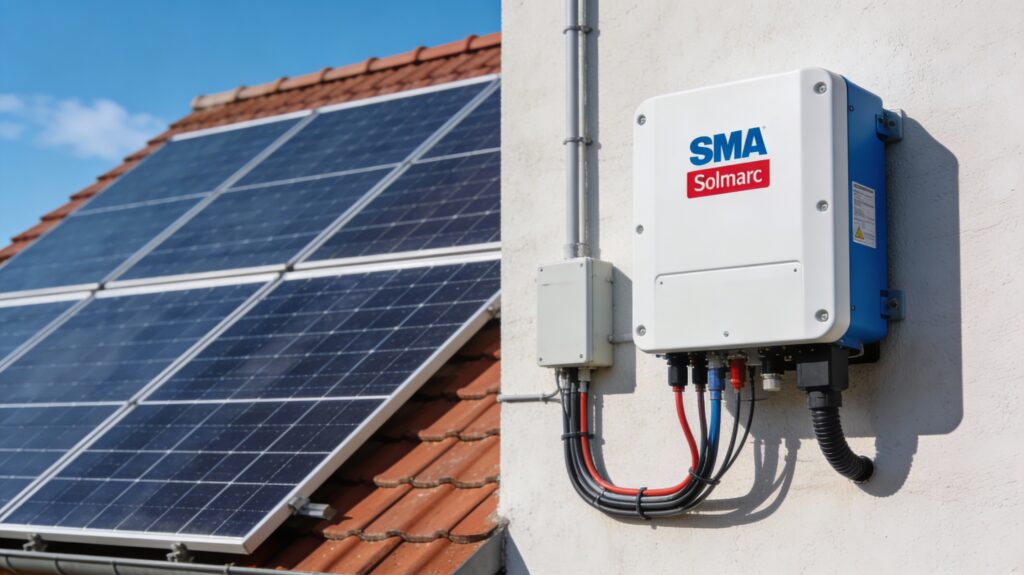
SMA Solar delivers reliable, high‑performance inverters trusted worldwide. Known for efficiency, durability, and smart monitoring, SMA Solar supports residential, commercial, and utility projects, making it a leading choice for sustainable energy solutions in 2026.
#2: SolarEdge
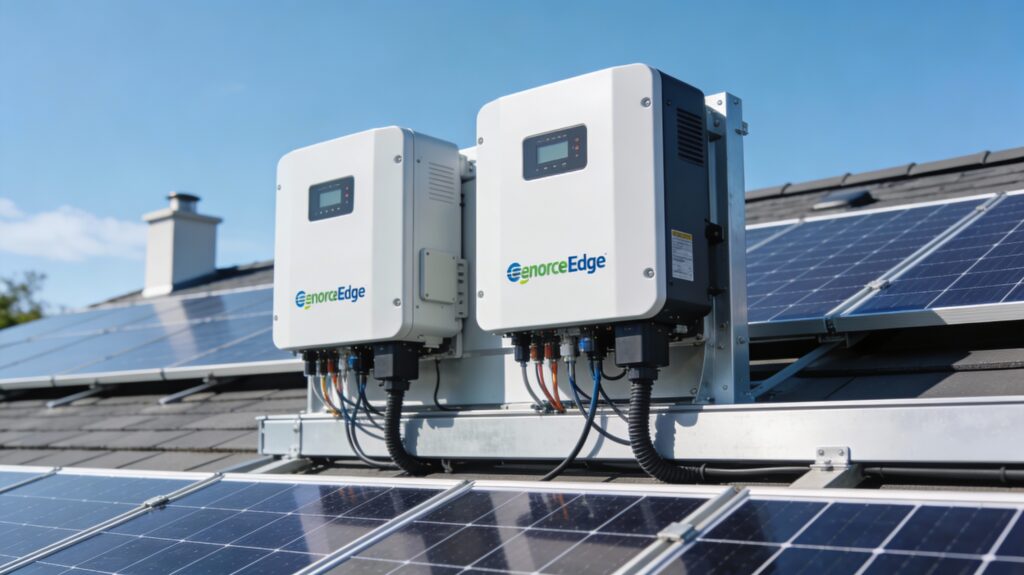
SolarEdge is renowned for its innovative inverter technology paired with power optimizers, ensuring maximum energy efficiency from each solar panel. With advanced monitoring, strong battery compatibility, and smart features, SolarEdge stands out as one of the best solar inverters for residential and commercial systems in 2026.
#3: Huawei
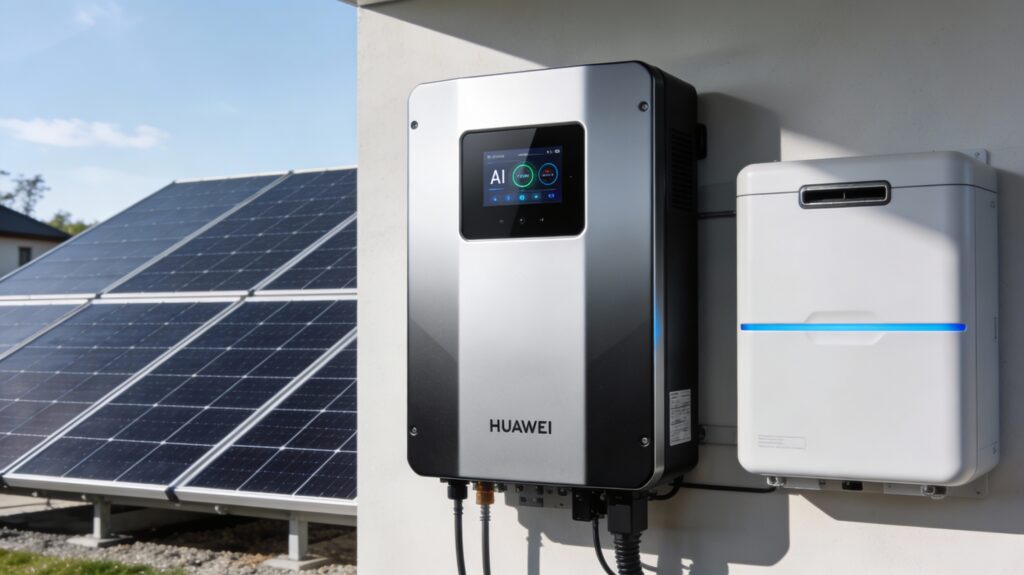
Huawei offers advanced solar inverters that blend high efficiency with smart digital technology. Known for their AI‑driven monitoring, strong battery compatibility, and durability, Huawei inverters support both residential and commercial systems. Their innovative designs make them one of the best solar inverters for maximizing energy yield and ensuring reliable performance in 2026.
#4: Fronius
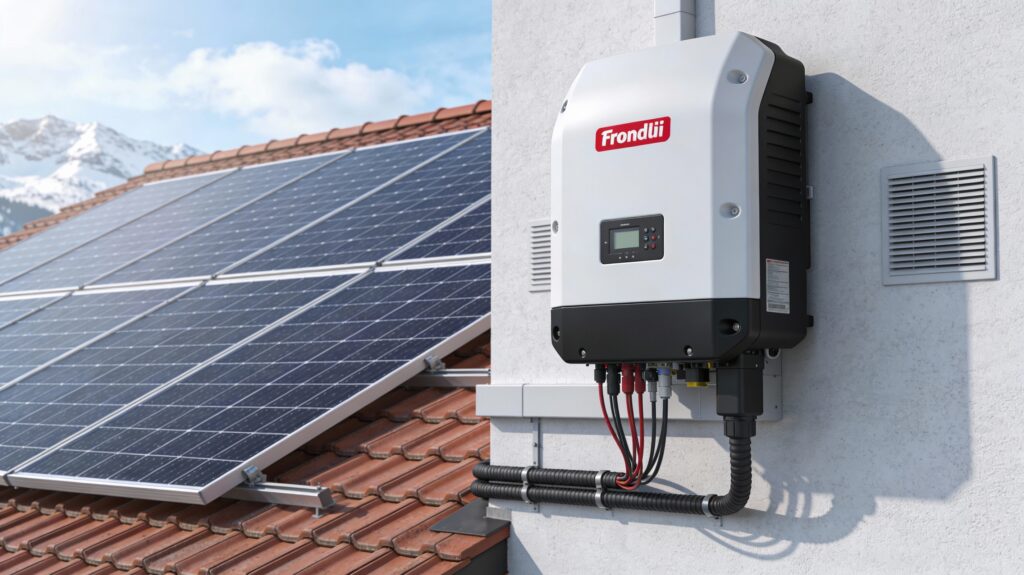
Fronius is widely respected for producing durable, high‑quality solar inverters with excellent efficiency and smart monitoring features. Known for their strong performance in residential and commercial systems, Fronius inverters offer reliable energy conversion, flexible battery compatibility, and long lifespans, making them one of the best inverters for sustainable power in 2026.
#5: Growatt
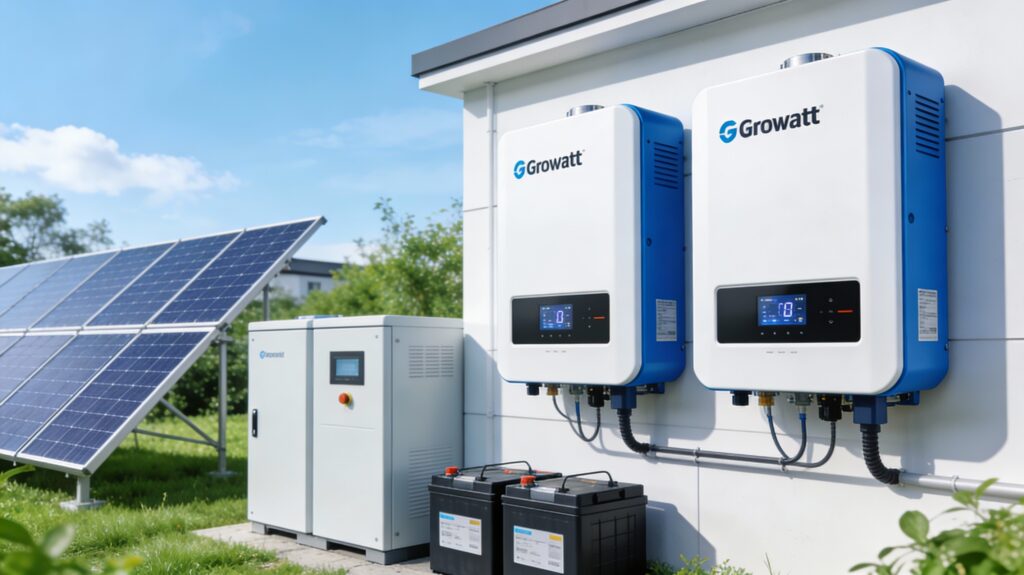
Growatt is recognized for delivering affordable yet efficient solar inverters with a strong global presence. Known for user‑friendly design, smart monitoring, and reliable battery compatibility, Growatt provides versatile solutions for residential and commercial systems, making it one of the best solar inverters for cost‑effective clean energy in 2026.
#6: Enphase
Enphase is a global leader in microinverter technology, offering panel‑level optimization for maximum efficiency. Known for reliability, advanced monitoring, and seamless battery integration, Enphase delivers one of the best inverters for residential systems, ensuring consistent performance and energy independence in 2026.
#7: GoodWe
GoodWe is a globally recognized manufacturer of reliable and versatile solar inverters. Known for strong battery compatibility, smart monitoring, and high efficiency, GoodWe offers solutions for residential, commercial, and utility projects, making it one of the best solar inverters for dependable clean energy in 2026.
Price Comparison of Solar Inverters in 2026
Prices vary based on type and capacity. Residential string inverters range from $600 to $1,200. Hybrid inverters cost between $1,200 and $2,500. Microinverter systems can go higher but offer superior performance.
While price matters, value matters more when evaluating the best inverters in 2026.
Efficiency vs Cost: What Offers Better Value
Think of an inverter like fuel efficiency in a car. A cheaper inverter might save money upfront but lose power over time. High-efficiency models generate more electricity, paying for themselves faster.
Balancing cost and performance is the smartest way to choose among the best solar inverters of 2026.
Installation and Maintenance Tips
Professional installation ensures safety and optimal performance. Regular firmware updates and occasional inspections keep your inverter running smoothly for years.
Common Mistakes to Avoid When Buying Solar Inverters
Many buyers overlook future expansion. Others ignore warranty terms or monitoring features. Avoid choosing solely based on price—performance matters just as much.
Learning from these mistakes helps you select the truly best solar inverters of 2026.
Future of Solar Inverter Technology Beyond 2026
The future points toward fully autonomous energy systems. AI-driven inverters will predict energy usage, automate storage, and integrate with smart homes seamlessly.
Conclusion
Solar energy is no longer just about panels on a roof. Inverters are now the intelligence behind every efficient solar system. With smarter features, higher efficiency, and better prices, the best solar inverters 2026 make clean energy more reliable and accessible than ever. Choosing the right one today means years of savings, stability, and peace of mind tomorrow.
For more technical insights on solar standards, you can explore resources:http://iea.org