
AI and future jobs are among the most widely discussed topics in the global workforce. As artificial intelligence continues advancing at lightning speed, industries are rethinking how employees work, learn, and build sustainable careers. By 2030, this shift will feel more like a career revolution than a simple technological update. Understanding how AI will reshape career paths is essential for workers, students, and businesses preparing for the next era of innovation.
Table of Contents
AI and Future Jobs in the Changing Workforce
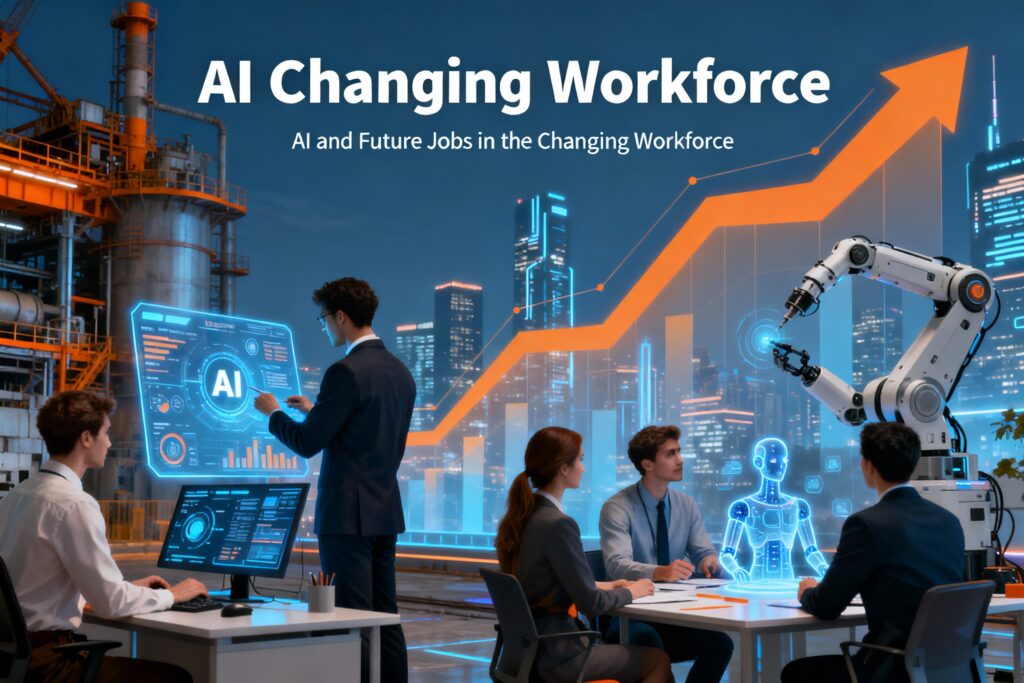
AI isn’t just a buzzword anymore. It has become a daily part of businesses, from customer service chats to advanced data analytics. Companies now rely on AI to make faster decisions, automate simple tasks, and save time. This shift means that the workforce must adapt as well.
The Rise of Automation and Smart Tools
Automation is taking over repetitive tasks like data entry, scheduling, and basic reporting. Smart tools are helping workers do their jobs faster and with fewer mistakes. Instead of replacing workers entirely, AI is taking over the boring parts so humans can focus on more creative and meaningful work.
Changing Skill Requirements Across Industries
By 2030, skills like coding, data analysis, digital communication, and problem-solving will become even more important. Workers who learn to use AI tools rather than resist them will have a major advantage in the job market.
Major Industries Reshaped by AI by 2030
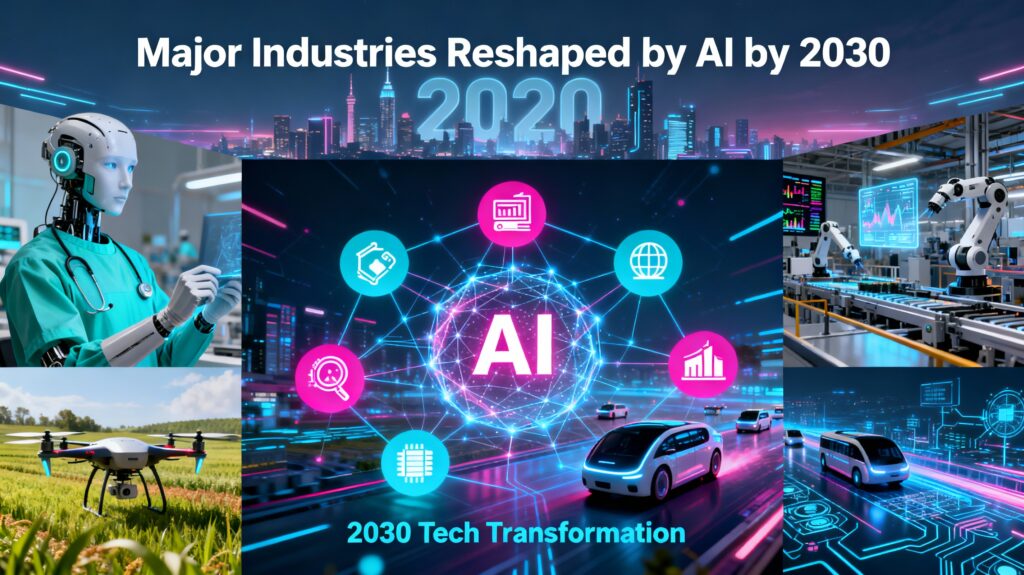
AI’s impact by 2030 will vary between industries, but nearly all sectors will feel its influence.
Healthcare and Medical Technology
AI will help doctors diagnose diseases faster, personalize treatment plans, and discover new medicines. Hospitals will use AI-powered robots for support tasks, improving patient safety and reducing errors.
Education and Learning Innovation
Schools and universities will embrace AI tutors, personalized learning dashboards, and smart assessments. Teachers will use AI insights to provide individualized support, improving student performance.
Finance, Retail, and Customer Experience
Banks and fintech companies will rely heavily on AI for fraud prevention, risk assessment, and automated financial advice. Retailers will use AI to personalize shopping experiences and predict demand trends.
For deeper insights into how AI shapes industries, you can explore trusted resources like-https://www.forbes.com/ai/
New Career Opportunities Created by AI
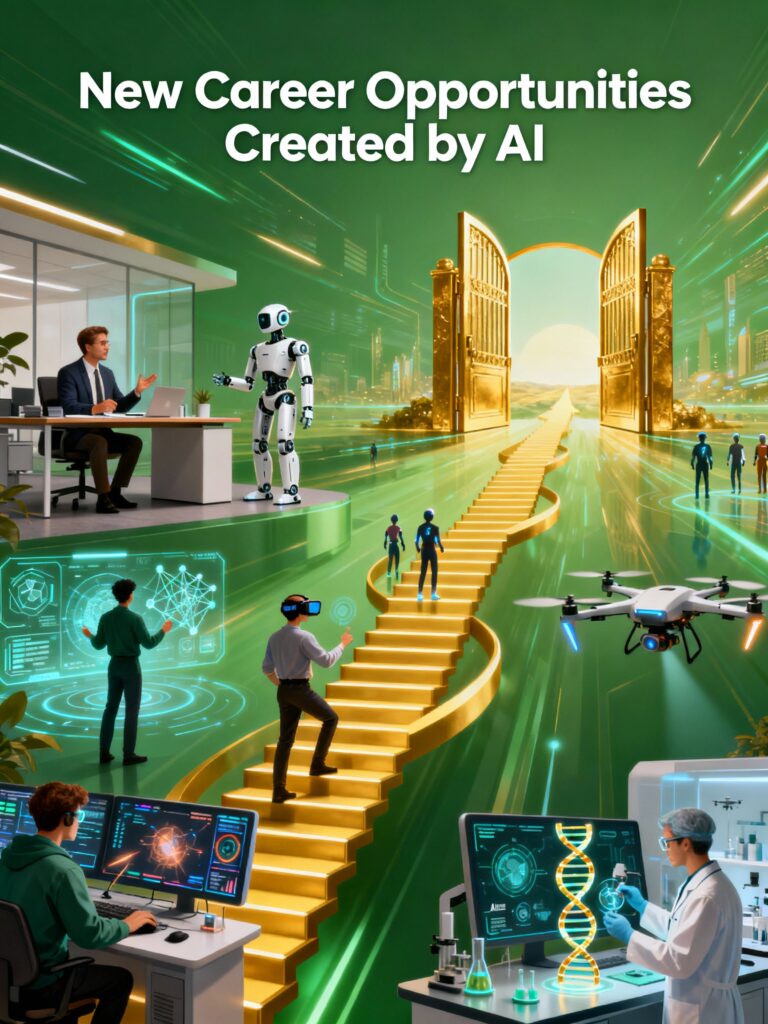
Despite fears, AI will create millions of new jobs by 2030—especially in tech-driven sectors. This is one of the best AI and future job sectors.
High-Demand Tech Roles
AI expansion leads to new technical careers, such as
- AI specialists
- Data scientists
- Automation analysts
- Cybersecurity experts
- Robotics engineers
These roles require both technical knowledge and strong problem-solving abilities.
Human-Centered and Creative Careers
AI can’t replace emotional intelligence or creativity. Careers in teaching, writing, therapy, design, counseling, and strategic leadership will grow stronger. Creative thinking and human connection remain irreplaceable.
Essential Skills for Thriving Ai And future jobs in 2030
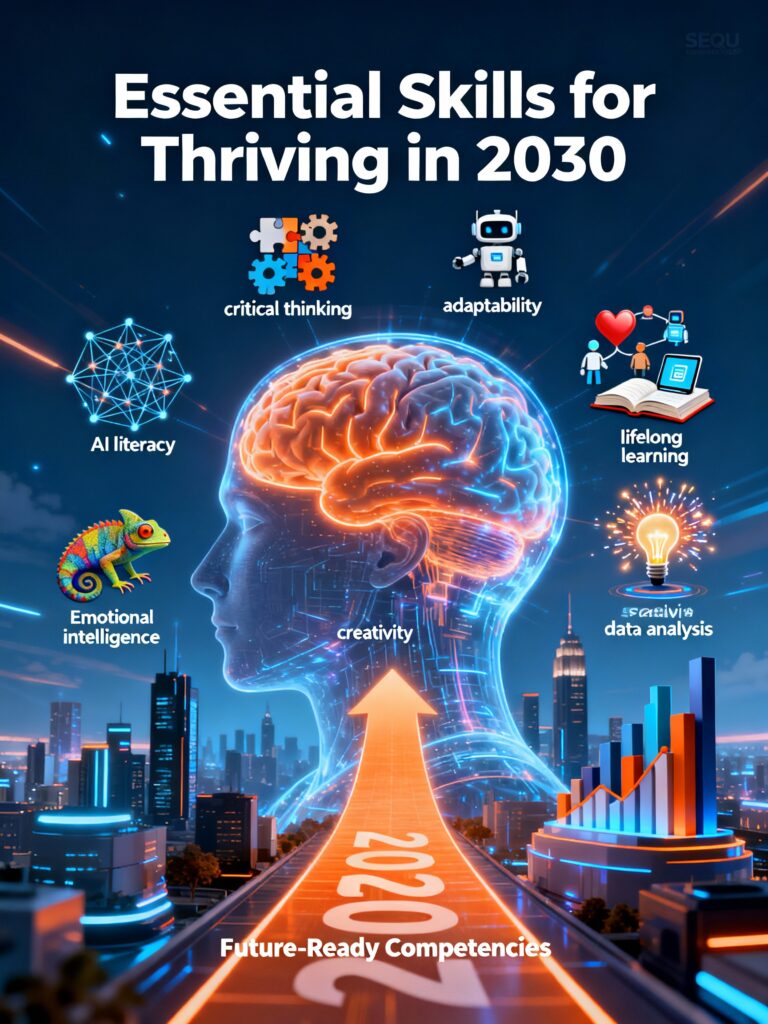
To stay competitive in the future workforce, individuals must develop both technical and interpersonal skills.
Digital Skills Needed for AI Integration
Key digital skills include:
- Data literacy
- AI tool usage
- Cloud computing
- Digital communication
- Cybersecurity awareness
These skills help employees use AI efficiently and responsibly.
Soft Skills That Remain Irreplaceable
AI can’t replicate empathy, emotional intelligence, collaboration, leadership, or critical thinking. Employers value workers who can adapt and respond thoughtfully to change.
How Individuals Can Prepare for the AI-Driven Future
Preparing for tomorrow’s workforce starts with embracing AI rather than fearing it.
Upskilling and Continuous Learning
Workers should invest in courses, certifications, and workshops that build future-ready skills. Platforms like Coursera support lifelong learning.
Leveraging AI Tools to Improve Work
Employees can use AI tools to:
- Analyze trends
- Automate daily tasks
- Improve writing and communication
- Organize schedules
- Enhance creativity
Learning to collaborate with AI increases productivity and career growth.
Conclusion
AI isn’t just changing the job market—it’s reshaping how people learn, grow, and connect professionally. As we approach 2030, the relationship between AI and future jobs will continue to evolve, opening doors to new opportunities and accelerating global innovation. The best way to stay ahead is to continuously embrace new technologies and use AI as a powerful tool for career success. Those who adapt early will lead the next wave of the career revolution.