

Discover how modern wind energy systems are transforming the global clean energy landscape. Learn about cutting-edge innovations, offshore wind farms, and how wind power is driving sustainability worldwide.
Table of Contents
Introduction: The Rise of Wind Energy Systems
In recent decades, wind power solutions have become one of the most powerful tools in the fight against climate change. Harnessing the natural force of wind, these systems generate clean, renewable electricity that helps reduce carbon emissions and dependence on fossil fuels.
As global nations commit to carbon neutrality, investments in wind power have grown significantly. According to the International Energy Agency (IEA), wind energy could supply over 35% of global electricity by 2050, marking a revolutionary shift toward sustainability.
How Wind Energy Systems Work
At their core, wind power generators convert kinetic energy from the wind into mechanical energy and then into electrical power.
When the wind turns turbine blades, they spin a shaft connected to a generator. This generator produces electricity, which is then transmitted to the power grid.
The strength and consistency of wind determine the efficiency of these systems, which is why they’re often located in windy coastal regions, open plains, or offshore environments.
⚡ 3. Key Components of Modern Wind Energy Systems
Modern wind turbines/wind farms consist of several critical components:
- Rotor Blades: Capture kinetic energy from wind.
- Nacelle: Houses the gearbox, generator, and control systems.
- Tower: Supports the turbine and positions blades in optimal wind flow.
- Control Systems: Optimize rotation speed and direction for maximum efficiency.
These components work seamlessly to ensure that wind turbines operate effectively, even in fluctuating weather conditions.
🌬️ 4. Types of Wind Energy Systems
There are two main categories of wind energy systems used worldwide
Onshore Wind Systems
Installed on land, these are cost-effective and easier to maintain. They’re often used in rural and agricultural areas where space is available.
Offshore Wind Systems
Built over oceans or lakes, offshore turbines capture stronger and more consistent winds. They produce more energy but require higher investment and complex engineering.
🌊 5. Offshore Wind Farms: Harnessing the Ocean’s Potential
Offshore wind energy systems are among the most promising developments in renewable power. With vast ocean areas available, offshore turbines can produce up to 60% more energy than their onshore counterparts. https://izhar-web-digital.com/https://www.investopedia.com/terms/g/green_tech.asp
The world’s largest offshore wind farm, Hornsea 2 in the UK, generates over 1.3 GW of electricity—enough to power more than 1 million homes.
For global insights, see the U.S. Department of Energy (DOE) report on offshore wind expansion.
🧠 6. Technological Innovations in Wind Energy
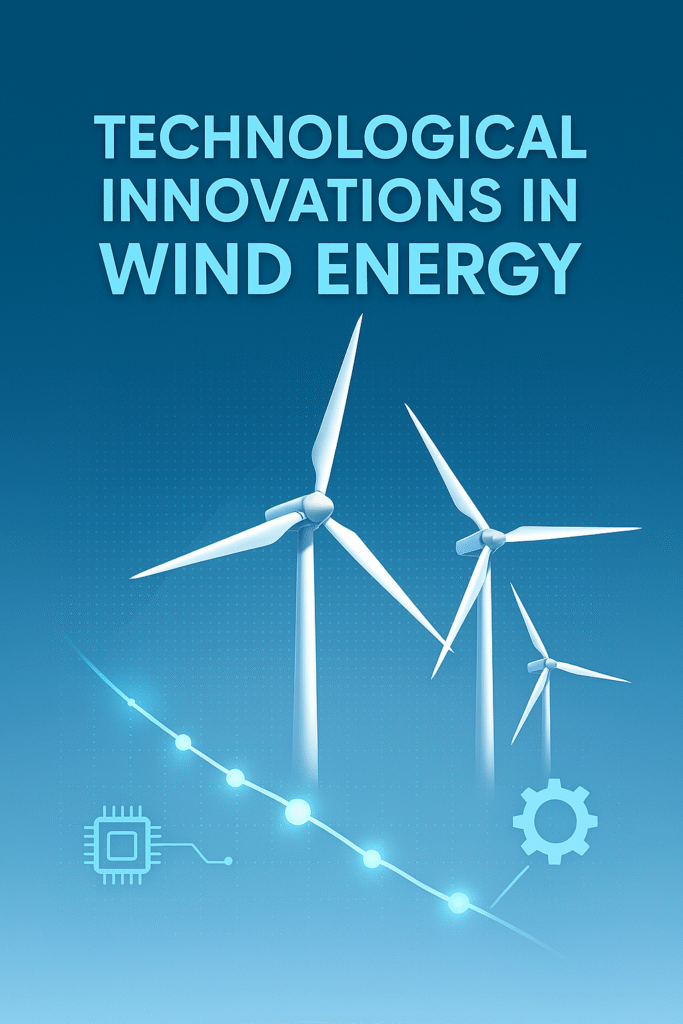
Recent innovations are pushing wind energy systems to new heights:
- Floating Wind Turbines—Designed for deep waters where traditional towers can’t be installed.
- AI-Powered Maintenance—Predictive analytics reduce downtime and improve efficiency.
- Advanced Blade Design—Longer, lighter blades capture more energy with less noise.
- Hybrid Systems—Combining wind and solar energy for 24/7 clean power.
🌱 7. Benefits of Wind Energy Systems
The benefits of wind energy systems are immense:
- Zero emissions—no greenhouse gases are released during operation.
- Cost-effective—Once installed, wind power is one of the cheapest energy sources.
- Job creation—The global wind industry supports millions of skilled jobs.
- Scalability—Suitable for both large-scale farms and small community projects.
⚠️ 8. Challenges and Solutions
While renewable wind energy offers great promise, challenges remain:
- Intermittency: Wind isn’t constant; storage systems like batteries help solve this.
- Noise & Aesthetics: New blade designs reduce sound and visual impact.
- Wildlife Impact: AI-based monitoring protects bird and bat populations.
The United Nations (UN) emphasizes balancing renewable expansion with environmental conservation — a goal many countries are actively pursuing.
🌍 9. Global Impact and Future of Wind Power
The future of wind energy systems looks bright. Nations like China, the U.S., and Germany lead global installation, while emerging economies are joining the wind revolution.
According to the Global Wind Energy Council (GWEC), over 100 GW of new capacity is being added annually. By 2035, wind could supply over half of Europe’s electricity.
🌅 10. Conclusion: A Greener Tomorrow
Wind energy systems are at the heart of the global clean energy movement. As technology advances, costs drop, and awareness grows, wind power is becoming a dominant force in achieving a carbon-neutral future.
For readers passionate about sustainability, don’t miss our post on Mindful Living: The Key to Mental Wellness—because true sustainability starts with mindful choices.